DTF vs sublimation vs screen printing vs embroidery: which to choose?
Apex Print Studio · · 6 min read
DTF, sublimation, screen printing and embroidery all put your design on a product, but each one suits different artwork, fabrics and quantities. Picking the right one is the difference between a print that looks exactly like your design and one that cracks, fades or costs more than it should. Here's how to choose.
The short answer
- Full-colour logo, photo or detailed artwork, any quantity: DTF printing.
- 50 or more pieces of a simple design in one to four colours: screen printing.
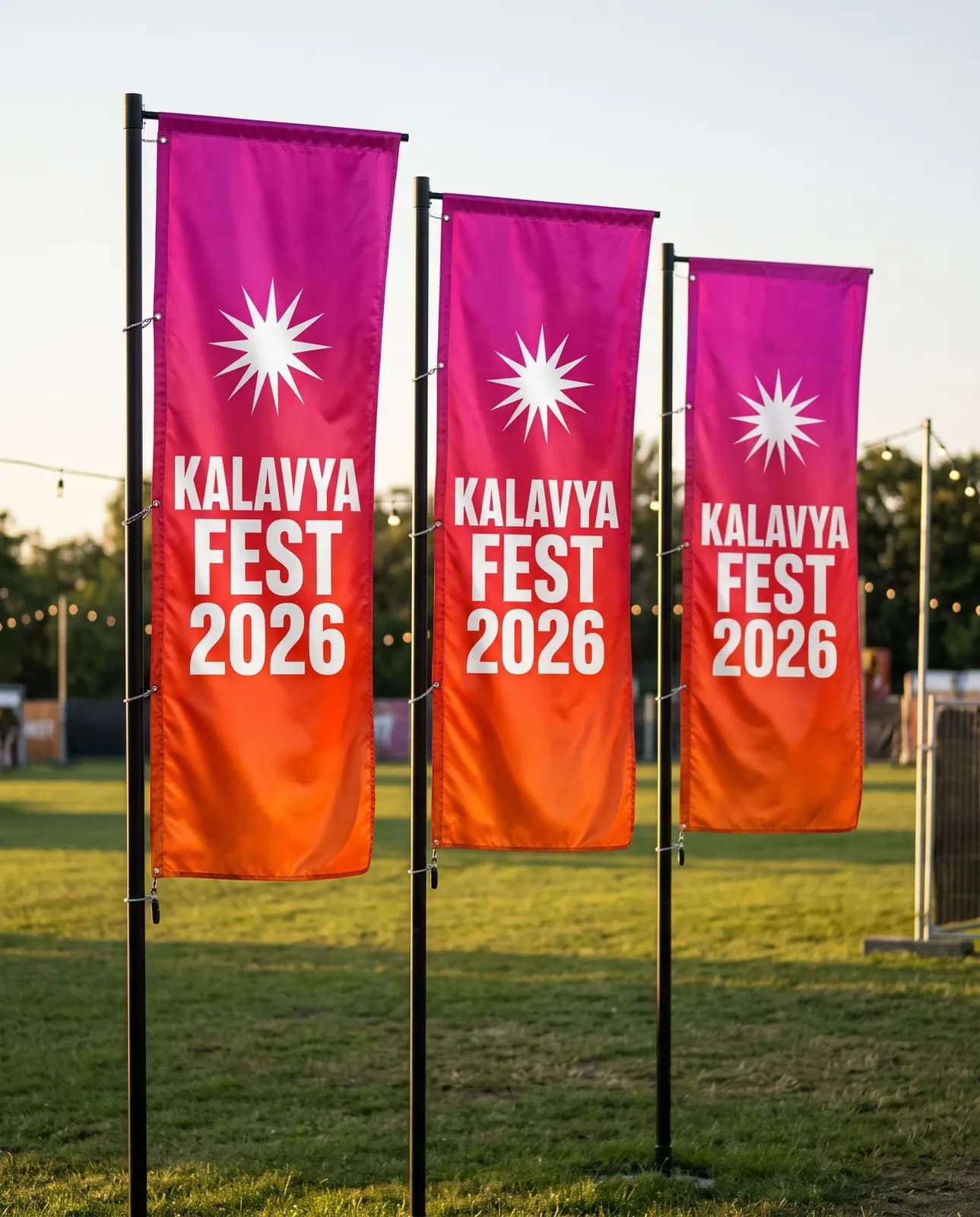
- All-over sports jerseys, fabric flags, cloth banners and mugs: sublimation printing.
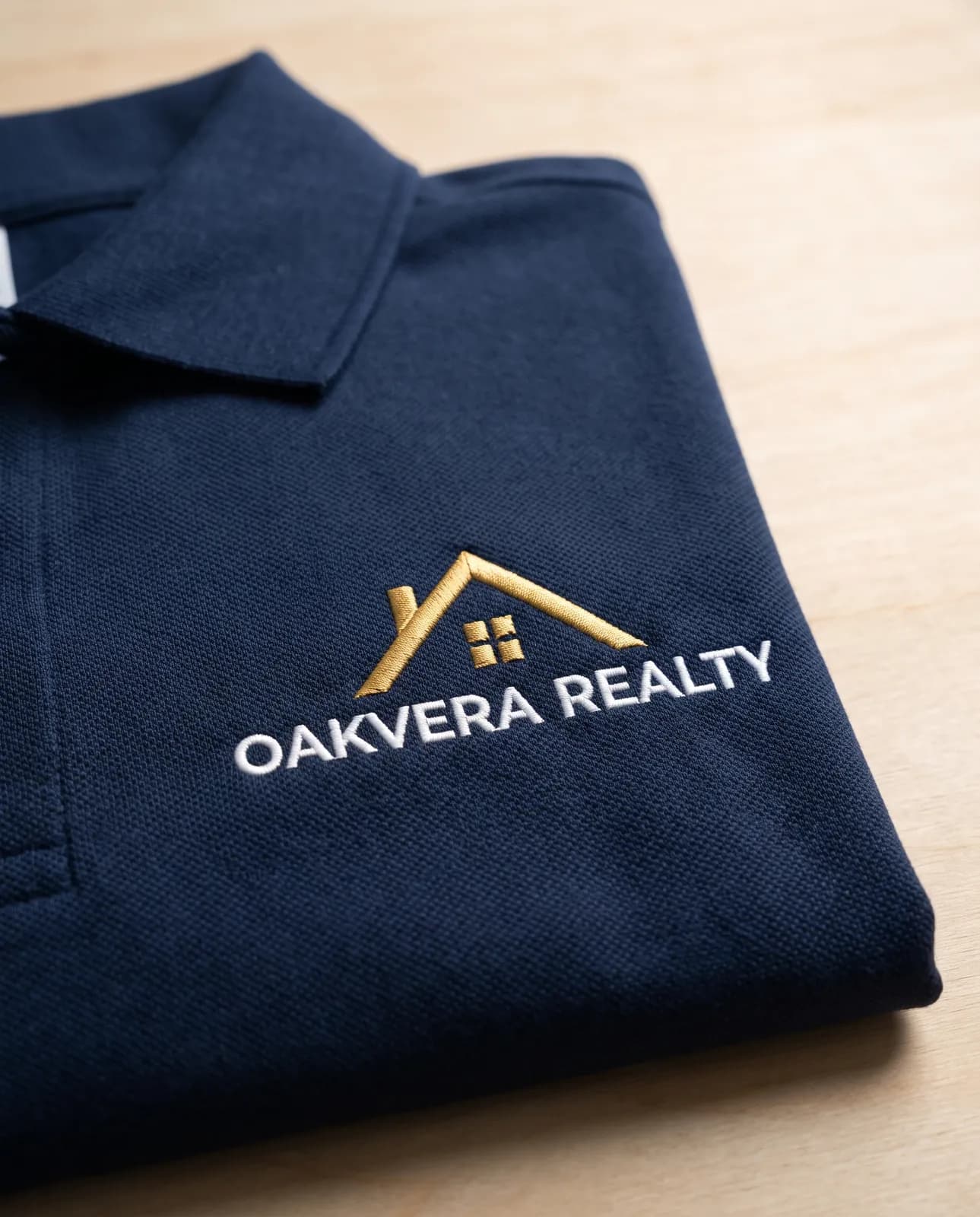
- A premium logo on polos, shirts, caps and uniforms: embroidery.
Side by side
| Method | Best for | Minimum order | Colours | Materials | Feel |
|---|---|---|---|---|---|
| DTF printing | Full-colour logos, photos and detailed artwork; small and mixed orders | No minimum order | Unlimited, including photos and gradients | Cotton, polyester, blends and fleece; light or dark | A thin, soft, stretchy layer on the fabric |
| Sublimation printing | All-over sports jerseys, polyester tees, fabric flags, cloth banners and mugs | No minimum order | Unlimited, edge to edge | White or light polyester, and polyester-coated products such as mugs | None: the ink is inside the fibres |
| Screen printing | Bulk orders of simple designs in one to four solid colours | From 50 pieces per design | One screen per colour; best with one to four solid colours | Cotton, blends and most fabrics; light or dark | Ink in and on the fabric; very durable |
| Embroidery | Logos on polos, shirts, caps, jackets and uniforms | No minimum order | Several thread colours per logo | Polos, shirts, caps, jackets, sweatshirts and most woven or heavier fabrics | Raised, textured thread |
DTF printing
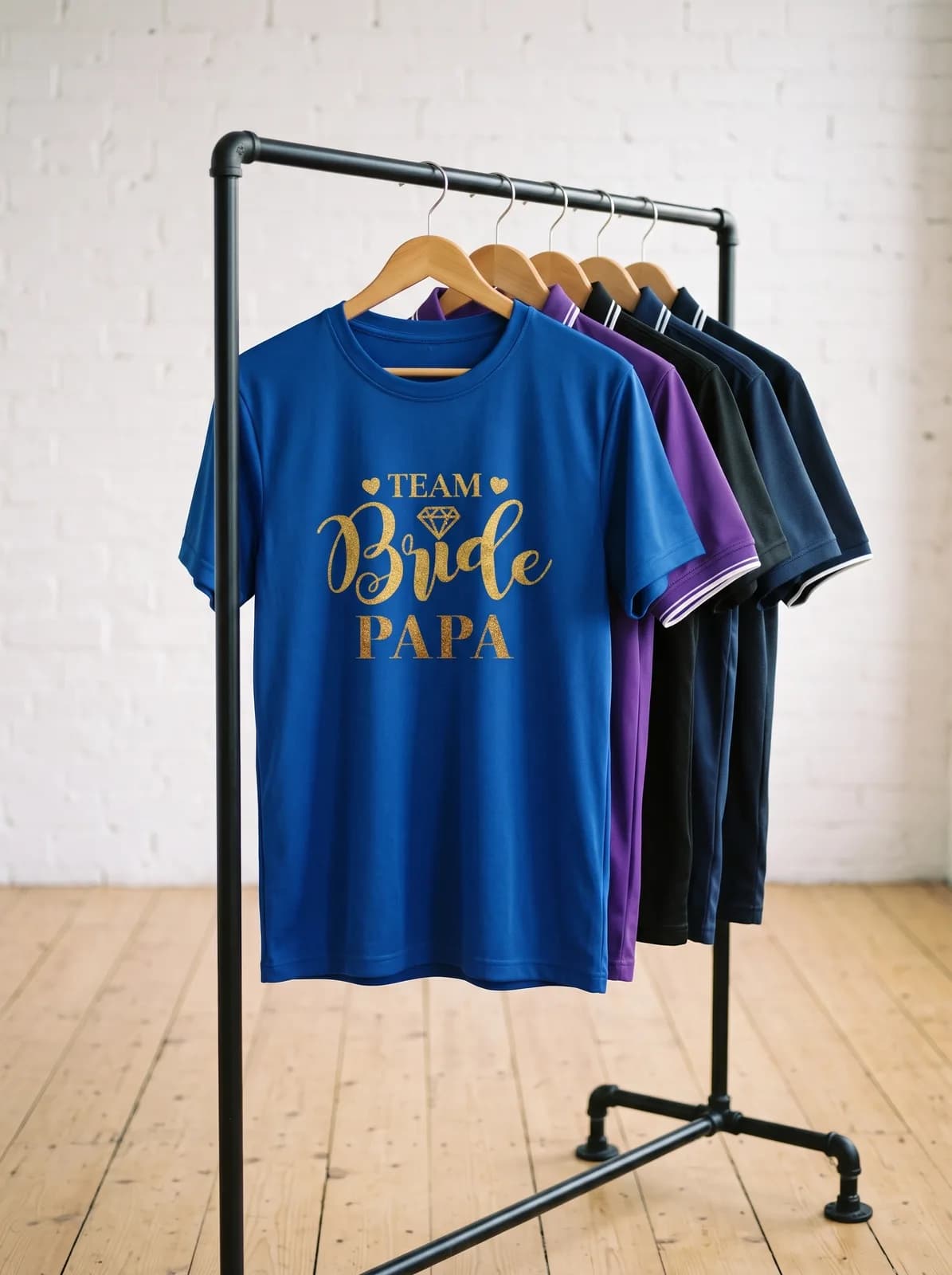
Direct-to-film prints your design onto a film with a white layer behind it, then heat-presses it onto the product. It reproduces every colour, gradient and fine line, works on cotton, polyester, blends and fleece in light or dark colours, and stays soft and stretchy. There are no screens to set up, so a single piece is as practical as a hundred, and every piece can carry a different name or number.
Choose it for: full-colour logos, photos, detailed artwork, mixed garment colours, small and mixed orders. More in DTF printing explained.
Screen printing
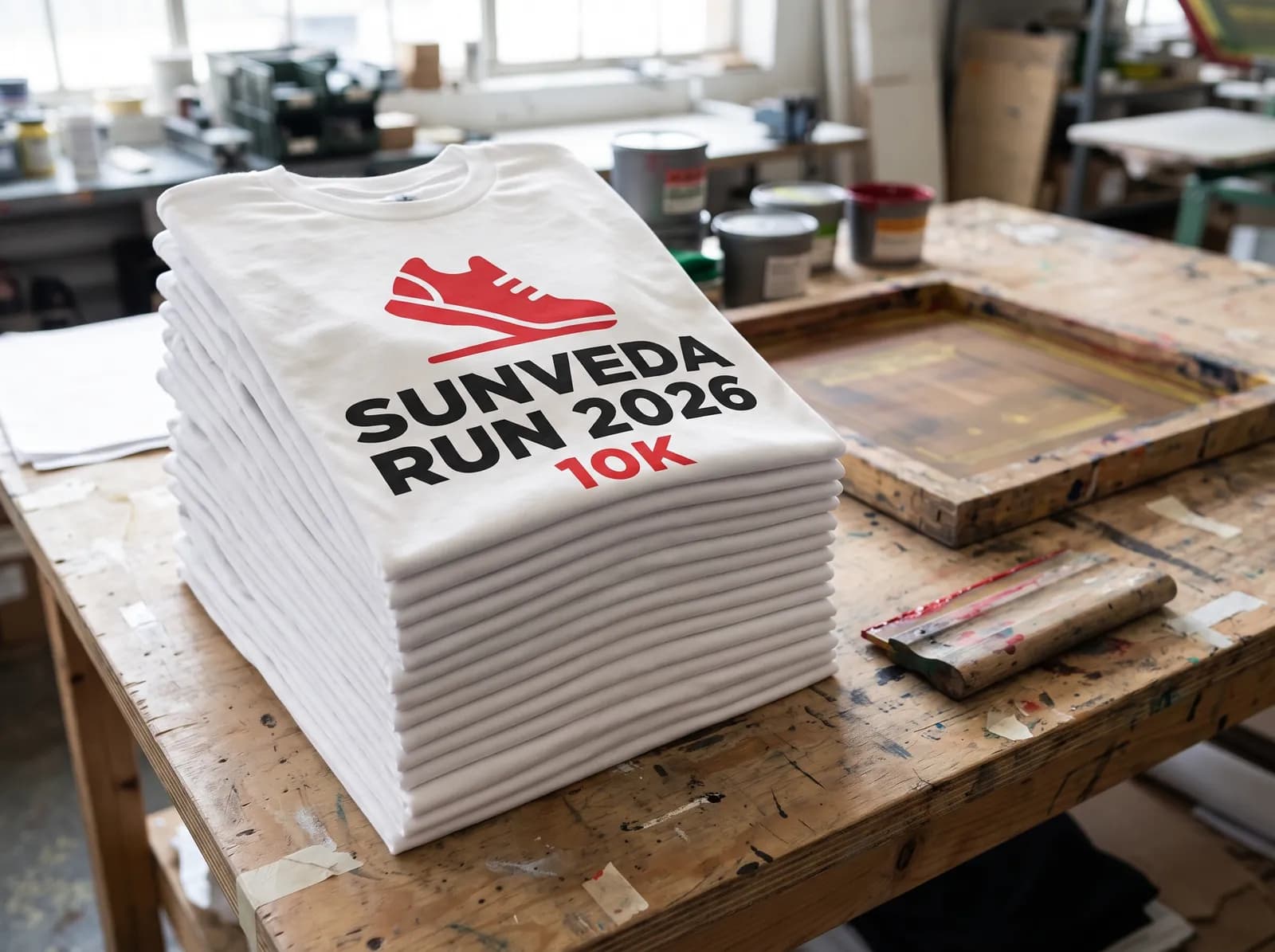
Ink is pushed through a fine mesh screen, one screen for each colour. Once the screens are made, every extra piece is quick to print, so the price per piece drops as the quantity grows. The ink is thick and bold, and it lasts wash after wash. We screen print from 50 pieces per design.
Choose it for: event, college, company and team tees in bulk, with a design of one to four solid colours. It's not suited to photos or gradients, or to orders under 50.
Sublimation printing
The design is printed onto transfer paper, and heat turns the ink into a gas that bonds with polyester fibres. The print becomes part of the fabric: you can't feel it, it breathes, and it can't crack or peel. It can cover a garment edge to edge, which is why it's the standard for all-over sports jerseys.
Choose it for: sports jerseys with names and numbers, all-over polyester tees, fabric flags and cloth banners, and mugs. It only works on white or light polyester and coated items, never on cotton or dark fabric.
Embroidery
Your logo is turned into a stitch file and sewn into the fabric in coloured thread. It's raised and textured, looks premium, and lasts as long as the garment. Very fine detail and tiny text are sometimes simplified so they stitch cleanly, and gradients become solid thread colours.
Choose it for: company polos and shirts, staff uniforms, caps and jackets: anywhere a small logo should look its best. Large designs across the back are better printed.
Which method for which product?
| Product | Usually | Also possible |
|---|---|---|
| T-shirts and hoodies | DTF (full colour, any quantity) | Screen printing for 50+ of a simple design |
| Polos, shirts and uniforms | Embroidery for a chest logo | DTF for full-colour or larger designs |
| Sports jerseys | Sublimation, all over, with names and numbers | DTF on cotton or dark jerseys |
| Caps | Embroidery | DTF for detailed, full-colour logos |
| Fabric flags and cloth banners | Sublimation on polyester fabric | - |
| Mugs | Sublimation | - |
| Keychains and badges | Printed in full colour | - |
How quantity changes the choice
- 1 to 49 pieces: DTF, sublimation or embroidery. None of them has a minimum order.
- 50 pieces or more of one simple design: screen printing becomes an option, and is often the cheapest per piece.
- Many designs, names or sizes in one order: DTF or sublimation, because every piece can be different at no extra set-up cost.
Still not sure?
You don't have to decide on your own. Send us your design, the product and the quantity on WhatsApp or through the quote form, and we'll recommend a method, reply with a price and send a free digital proof before anything is made. See all our printing services or examples of our work.
Common questions
Which printing method is best for custom t-shirts?
For full-colour designs, photos and small or mixed orders, DTF. For 50 or more tees of a simple one- to four-colour design, screen printing is usually the most economical. For all-over polyester sports tees, sublimation.
Which is better for a company logo: embroidery or printing?
Embroidery gives polos, shirts, caps and jackets a premium, long-lasting finish and suits simple chest and cap logos. Printing (DTF or screen printing) is better for large designs, fine detail, gradients and t-shirts.
Is screen printing cheaper than DTF?
For 50 or more pieces of a simple design with a few solid colours, screen printing usually costs less per piece. For full-colour artwork, photos, small quantities or many different designs, DTF is usually cheaper, because there are no screens to make.
Can sublimation print on cotton or dark fabric?
No. Sublimation only works on white or light polyester (and polyester-coated items such as mugs). For cotton or dark garments, DTF, screen printing or embroidery are the options.
Which method is used for custom flags, banners and mugs?
Sublimation. On polyester flag and banner fabric it gives vivid colour right to the edges that won't crack or peel, and on mugs it bonds the design into the mug's coating.
Is there a minimum order?
Not for DTF, sublimation or embroidery: you can order a single piece. Screen printing starts from 50 pieces per design, which can be split across sizes, because each colour needs its own screen.